Before Buying a Used 4×4 Truck: Make a VIN Recall Check Useful
Turn a VIN recall lookup into a clear purchase-day record, with the search limits and unresolved dealer questions kept visible.
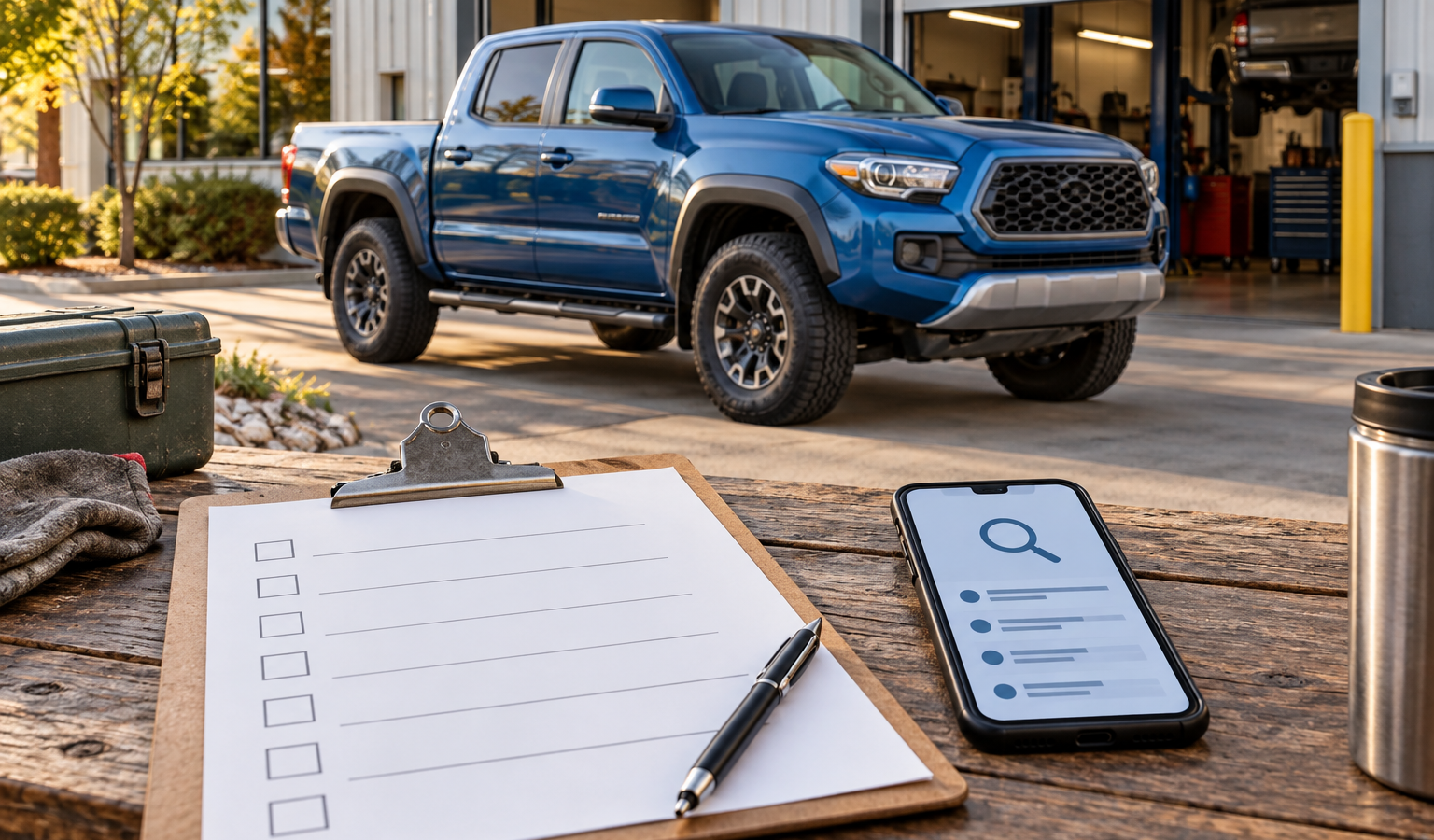
A used 4×4 can have an impressive equipment list and still need an unresolved recall repair. Before comparing lift kits, lockers or wheel packages, check the exact truck’s recall status and save enough information to follow up. The useful outcome is a record tied to that vehicle and a clear next step for anything unresolved.
A recall check is one part of a purchase review. It does not inspect the truck, validate modifications or replace an independent mechanical assessment. This guide explains a document workflow, not a verdict on any particular vehicle.
Start with the exact vehicle
Use the VIN from the truck and compare it with the seller’s paperwork. If the identifiers do not agree, resolve the discrepancy before treating a result as relevant. Keep the full identifier in your private purchase file; it does not need to appear in a public forum post asking for general advice.
NHTSA’s recall tool distinguishes a VIN or license-plate lookup for a specific vehicle from a year/make/model search that produces broader information. A model-level headline alone cannot establish whether the particular truck is included.
Save what the result actually says
Record the search date, the identifier used and the displayed result. If an unrepaired recall appears, save the campaign number, description and any linked manufacturer instructions. A screenshot can be useful, but keep the source link as well so the information can be checked again.
NHTSA lists important limits to its VIN search. It does not show already-repaired recalls, some recently announced campaigns whose VIN lists are incomplete, certain older recalls, some small-manufacturer campaigns, non-safety service campaigns or international-vehicle recalls. A zero result therefore is not a complete repair history or a promise that no new campaign will appear.
Keep the recall result and the seller’s service invoices in separate sections. An invoice may help document work, but a matching campaign number is more useful than a broad handwritten note such as “all recalls done.” Ask an authorized dealer or manufacturer to clarify any inconsistency.
Make a short dealer question list
Before a purchase decision depends on an unresolved campaign, ask the appropriate dealer about the exact VIN and campaign. Record the answer and the date rather than relying on a general statement about that model year.
- Is this campaign open for this truck?
- What instructions apply while the repair is outstanding?
- Is a remedy available, and what is needed to arrange it?
- What document will show completion?
- Is a further visit or follow-up step expected?
NHTSA tells owners to follow the manufacturer’s interim safety instructions and contact a dealer for the recall remedy. If the instructions restrict driving or parking, build the viewing, inspection and transport plan around them. Do not turn the purchase schedule into a reason to ignore them.
Keep accessories in a separate review
A vehicle recall lookup is not a checklist of every item fitted to a modified truck. Make a separate inventory of aftermarket equipment, including brand and model where available. Ask the seller for installation documents and product records instead of assuming the truck VIN describes those additions.
Use two columns in your inspection notes: vehicle recall questions and accessory questions. This makes it easier to send the right question to the right party. It also prevents a satisfactory answer about one component from being recorded as an all-clear for the entire build.
Recheck at the handover
A gap can open between the first viewing and the day you collect the truck. Repeat the lookup near handover, compare the result with your earlier copy and add any new service paperwork. If a repair was promised, obtain the completed work record rather than carrying an ambiguous verbal promise into ownership.
For your ongoing file, note the next recall check alongside ordinary maintenance planning. NHTSA recommends checking recalls twice a year and offers recall alerts through its SaferCar app. Keep contact and vehicle information current with the relevant services you choose to use.
The final purchase note should be plain: what you checked, when you checked it, what remains unresolved and who supplied the next step. That is more valuable than a single green checkmark beside “recalls.”