Before a Truck Lift: Check Driver-Assistance Restrictions, Not Just Alignment
A lift quote needs more than an alignment line. Check the vehicle maker’s feature restrictions before assuming calibration will restore compatibility.
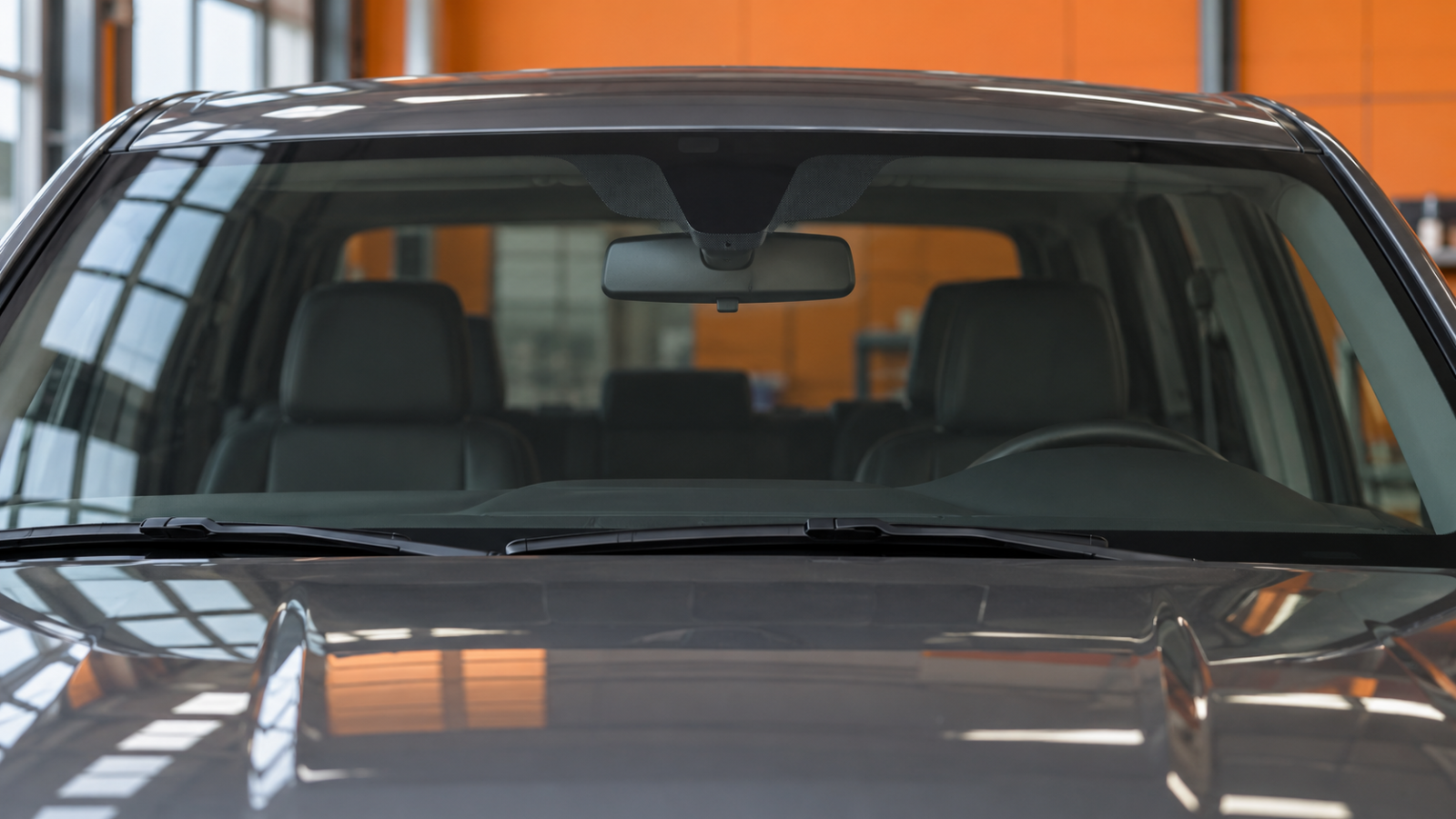
Before buying a lift or leveling kit, ask a question that is easy to miss in a parts quote: what does the vehicle manufacturer say about using the truck’s driver-assistance features after this change?
“We will do an alignment” does not answer that question. Neither does a promise to calibrate whatever needs calibration. First establish whether the proposed configuration is permitted for the features you intend to keep using. This is researched compatibility guidance, not a test of a lift kit or an approval of a modified vehicle.
Read restrictions before discussing calibration
The distinction matters because some instructions are stronger than a recommendation to check sensor aim. The 2026 Ford Super Duty owner’s manual’s lane-centering precautions say not to use that system after changes to steering, suspension, wheels or tires. That is a model- and feature-specific warning; it should not be converted into “recalibration makes any lift acceptable.”
Other vehicles and model years may have different instructions. Start with the manual supplied for your truck, identify the exact feature names, and ask an authorized service provider to resolve any conflict with current service information. Do not borrow an answer from a different truck because the dashboard icons look similar.
Make a feature list, not a sensor guess
List the assistance features actually fitted: adaptive cruise control, lane centering, lane-departure assistance, automatic emergency braking, parking assistance and any other relevant systems. Keep “not fitted” separate from “unknown.” Use the vehicle documentation rather than deciding from the presence of a camera-shaped housing.
Alongside the list, write the proposed kit’s manufacturer and part number, intended ride-height change, wheel and tire specification, and any associated bumper or accessory work. Include changes already on the truck. The person answering needs the whole configuration, not just the next part in the shopping cart.
Ask the shop for three separate answers
- Compatibility: what vehicle-manufacturer instructions apply, and does the planned setup conflict with any feature restrictions?
- Work scope: what inspections, alignment work, programming or calibrations are required for the supported configuration, and who will perform them?
- Handover: what records will show the work performed, and what limitations or unresolved issues will be explained before collection?
Ask for the document title or service-information reference behind the answer. If one business installs the kit and another handles electronic systems, establish responsibility before booking. A vague referral after the truck is modified can leave the owner to coordinate incompatible assumptions.
Do not turn a quiet dashboard into proof
For your purchase decision, require the applicable documentation and completion records. Treat “no warning lights” or “it drove normally around the block” as observations, not substitutes for those records. Do not test emergency braking against a person, vehicle or improvised obstacle, and do not deliberately create a lane departure to evaluate a modification.
The manufacturer’s use restrictions continue to matter after an appointment. If the shop cannot explain how the proposed work aligns with those restrictions, pause the modification and seek clarification. A paid calibration invoice is not, by itself, permission to disregard an owner’s-manual warning.
Keep the decision tied to the installed setup
At handover, compare the invoice’s actual parts with the configuration that was reviewed. Ask about substitutions and save the relevant records. A later wheel, tire, bumper or suspension change is a new compatibility question; the earlier answer may no longer address the truck in front of you.
Our leveling-kit, lift-kit and body-lift guide explains the broader mechanical differences. The narrower takeaway here is to settle assistance-system restrictions before spending money, then arrange any permitted supporting work—not to assume that supporting work can make every modification compatible.
Use our truck modification compatibility worksheet to keep the proposed parts, applicable restrictions and unanswered questions together before you commit.